


World of Warcraft has always been at the forefront of online gaming, thanks to its massive, evolving world, and its dynamic approach to gameplay. One of the most significant expansions to the game was Cataclysm, which introduced drastic changes that affected many aspects of WoW, especially raiding. Released in December 2010, Cataclysm not only reshaped the world of Azeroth but also redefined the raiding experience in WoW. From new raid mechanics to the introduction of more complex boss encounters, the Cataclysm expansion changed the landscape of World of Warcraft raiding forever.
In this article, we will explore how the Cataclysm raids impacted the raiding community, the design choices that made these raids stand out, and the long-term effects they had on subsequent expansions and raid dynamics in WoW.
The Rise of the Two-Tiered Raid System
Before Cataclysm, WoW raids typically followed a linear progression model, where guilds would work through a series of encounters in a relatively fixed order. However, Cataclysm introduced a significant shift in raid structure by featuring a two-tiered raid system.

Normal and Heroic Difficulty
For the first time, players were able to experience Cataclysm’s raids on two distinct difficulty levels: Normal and Heroic. The introduction of Heroic mode raids in Cataclysm allowed players to experience the same encounters but with a significantly higher level of difficulty, requiring more coordination, better gear, and stronger execution from raid members.
This approach set a new standard for raids in WoW and is something that has carried through to every raid tier since. Players were no longer restricted to a single experience; they could choose their level of difficulty and engagement with the content based on their skills, time, and commitment.
The Heroic difficulty was not just a simple “buff” to the bosses, either; it added additional mechanics, increased damage output, and required a more comprehensive understanding of raid mechanics. This meant that players had to actively learn and adapt, which made raiding both more challenging and more rewarding.
The Iconic Raids of WoW Cataclysm
Several raids in Cataclysm became iconic within the WoW community due to their challenging mechanics, unique boss designs, and the stories they told within the game’s overarching narrative. These raids set the bar for future raid content and remain beloved by many players.
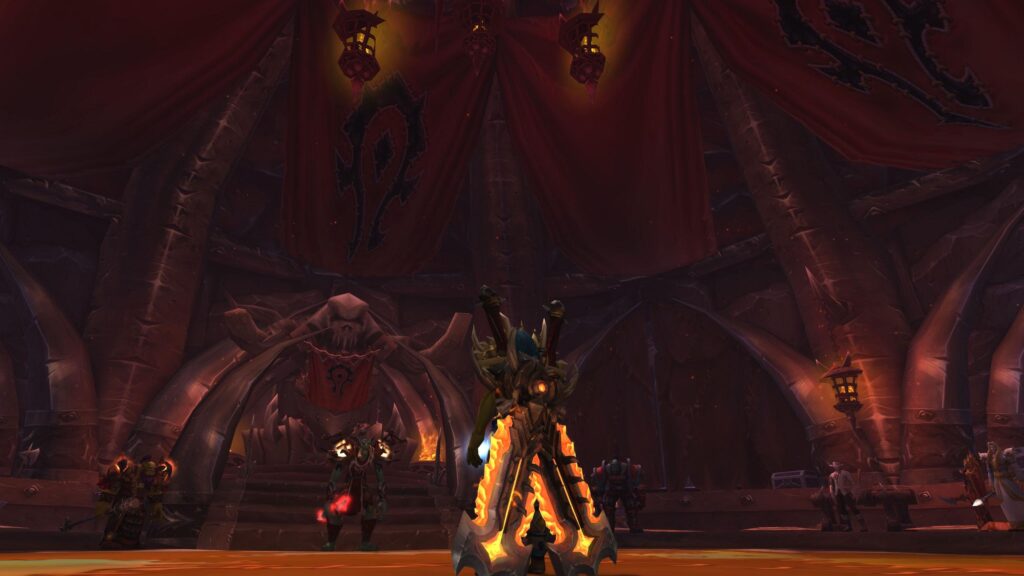
The Bastion of Twilight
The Bastion of Twilight raid was one of the first raids released in Cataclysm. Set in the Twilight Highlands, players fought their way through the Twilight Dragonflight, led by the enigmatic Nefarian, who had returned to wreak havoc once more. The raid introduced multi-phase mechanics, dynamic environments, and intense boss fights that forced players to think critically about raid positioning and coordination.
The encounter with Nefarian himself became iconic for its challenging mechanics, including dealing with the “Twilight Realm,” where players needed to navigate dangerous voids and overwhelming adds.
Blackwing Descent
One of the standout raids of Cataclysm, Blackwing Descent took players deep into the heart of Blackrock Mountain, where they battled against the sinister dragons and creatures controlled by the nefarious Nefarian. What made this raid particularly unique was its atmosphere and the multi-boss encounters that tested players’ ability to adapt to each fight’s distinct mechanics.
The fights against Magmaw, Atramedes, and Chimareon required players to think on their feet and adapt to ever-changing mechanics, marking a shift towards more complex raid designs that would define future expansions.
The Firelands
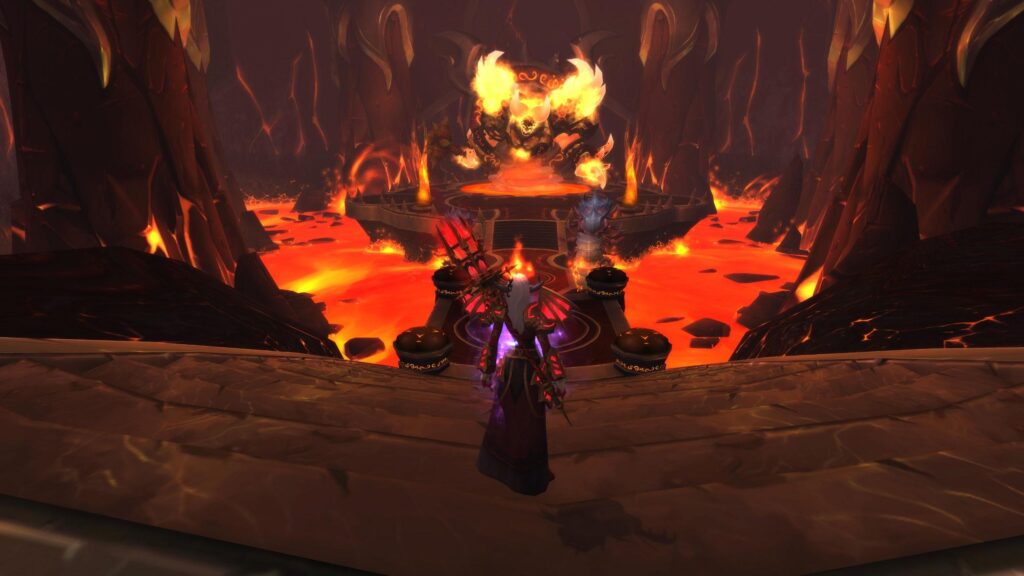
The Firelands raid, released in patch 4.2, took players to the fiery depths of the Molten Front, where they faced off against Ragnaros the Firelord. This raid marked a pivotal moment for the expansion, with one of the most memorable and cinematic final bosses in WoW history: Ragnaros himself. The Firelands raid’s unique setting, boss fights, and the mechanics that revolved around managing the environment, like the spreading of fire and explosive adds, were groundbreaking for their time.

The Firelands raid also introduced the concept of dynamic movement across the encounter area, with mechanics that would later be revisited in other expansions, demonstrating how Cataclysm pioneered raid encounters that forced players to move, react, and change positions on the fly.
Class Roles and Raid Composition in Cataclysm
Before Cataclysm, raids had begun to settle into relatively standard roles—tanks, healers, and damage dealers (DPS). However, with Cataclysm came significant adjustments in how raid teams were structured and how class roles interacted with each other.
The Role of Hybrid Classes
One of the key features of Cataclysm was its focus on hybrid classes. Many classes in WoW are capable of fulfilling multiple roles, and Cataclysm put this flexibility to the test. Unlike in previous expansions, where hybrid classes were often discouraged from performing outside their “core” role, Cataclysm gave players the ability to switch between roles more seamlessly, allowing them to bring hybrid classes to every encounter with confidence.
For example, a Restoration Druid could easily switch to DPS spec for certain encounters, while a Shadow Priest could shift into a healing role when required. This versatility changed the way guilds approached raid composition, with some groups opting for a higher proportion of hybrid classes to maximize efficiency and flexibility.
Changes to Tanking and Healing
Cataclysm also saw a significant shift in the way tanks and healers functioned in raids. Tanks, for example, were given more tools for dealing with raid-wide damage, such as the ability to “tank swap” between bosses that had high burst damage or required specific debuff management. Similarly, healers were given more utility spells and abilities that allowed them to react to rapidly changing raid conditions.
While these changes to class roles in raiding improved team coordination and progression, they also required players to adapt their playstyles significantly. The demands on tanking and healing during Cataclysm raids were greater than before, but this led to a more satisfying and dynamic raiding experience.
How Cataclysm Changed Raiding Forever
While the Cataclysm expansion was a turning point for many aspects of WoW, its impact on raiding was perhaps the most enduring. Cataclysm helped shape the future of raid content by introducing mechanics that have become standard fare in later expansions. It emphasized difficulty, class versatility, and the dynamic nature of raids, all of which would go on to influence the design of raids in expansions like Mists of Pandaria, Warlords of Draenor, and Battle for Azeroth.
Additionally, the two-tiered difficulty system that Cataclysm introduced (Normal and Heroic raids) has since evolved into what we know as the Mythic difficulty system, which continues to challenge top-tier raiders today.
Shifting Expectations in Raid Design
The complexities of Cataclysm raids set a new bar for what players expected from raid content. No longer were raids limited to a few mechanics or a single difficulty mode. Instead, raids became multi-layered experiences that encouraged players to think critically about every phase of a fight. The Cataclysm raids weren’t just about dealing damage and healing; they required intelligent movement, on-the-fly decision-making, and split-second reactions to environmental changes.
As a result, raid design became more focused on these dynamic, interactive elements, shaping the way raids were built in subsequent expansions.
The Legacy of WoW Cataclysm Raids
Cataclysm is often remembered as one of the more difficult expansions in WoW’s history, largely due to the complex raid mechanics and increased difficulty of encounters. This difficulty level helped raise the bar for what constitutes “good” raid design, and many of the features introduced in Cataclysm (like difficulty tiers and hybrid roles) continue to shape how raids are designed in modern WoW expansions.
In the years following Cataclysm, WoW’s raid content would continue to evolve and grow. However, Cataclysm remains a milestone in WoW raiding history, as it provided the foundation for many of the raid elements that are still prevalent today. Players who experienced these raids firsthand often look back at Cataclysm with fondness, recalling the challenges, the learning experiences, and the camaraderie that came from conquering some of WoW’s most difficult content.
Major Changes Introduced by WoW Cataclysm Raids
Cataclysm wasn’t just about adding new raids; it was about revolutionizing how players approached and engaged with raid content. Some of the most notable changes brought by this expansion are still felt today.
Raid Difficulty and Accessibility
The Cataclysm expansion introduced the idea of separate difficulty levels for raids. This allowed players to experience the content at their own pace, whether they were casual raiders or hardcore mythic-tier guilds. Here’s a breakdown of the system:
| Raid Difficulty | Description | Impact on Raiding |
|---|---|---|
| Normal Mode | Standard difficulty, accessible to most players. | More casual guilds could progress through raids without overwhelming challenges. |
| Heroic Mode | Increased difficulty with more complex mechanics. | Required advanced coordination, positioning, and strategy. |
| Mythic Mode | Highest difficulty, introduced in future expansions. | Built off Heroic mode, pushing players to the edge of their abilities. |
🎮 Emoji Breakdown
- 🥇 Normal Mode: Accessible for most players, perfect for those new to raiding.
- 💪 Heroic Mode: Requires greater coordination, often a significant challenge.
- 🔥 Mythic Mode: The pinnacle of raiding difficulty, pushing the top players to master all raid mechanics.
This tiered difficulty system helped make raiding more inclusive while still catering to the hardcore crowd, giving everyone something to work towards.
Boss Mechanics and Group Coordination
The raid mechanics in Cataclysm were complex and demanded tight coordination within groups. One of the most notable features was the increased interactivity of boss fights. Some bosses required split-second decision-making, precise positioning, or even managing environmental factors such as fire on the ground, toxic puddles, or the need for specific buffs/debuffs.
Boss Fight Example: Nefarian in Bastion of Twilight
Nefarian’s return in Cataclysm was one of the expansion’s signature fights. Here’s how the mechanics and class roles worked:
- Fireballs: Tanks had to position Nefarian so that the raid wouldn’t be hit by fireballs, requiring excellent positioning.
- Twilight Realm: Players had to alternate between phases in the “Twilight Realm” and the normal world, demanding flawless group coordination.
- Add Management: While dealing with Nefarian, the raid also had to manage adds that spawned at certain points, ensuring they didn’t overwhelm the group.
The complexity of these mechanics was a defining feature of Cataclysm raids, requiring players to master every nuance of the fight to succeed.
The Impact of Cataclysm on WoW’s Raiding Community
The Cataclysm expansion changed not only the game mechanics but also the overall mindset of the WoW raiding community. Players had to adapt to the new challenges, which sparked a number of cultural and strategic shifts.
Raid Composition and Role Flexibility
Prior to Cataclysm, raid compositions were more rigid, with fixed roles for each player. However, Cataclysm allowed for more flexibility, especially with hybrid classes that could switch between DPS, healing, or tanking. This change affected how guilds structured their raid teams.
| Class Role | Pre-Cataclysm | Post-Cataclysm |
|---|---|---|
| Tanks | Two or three designated tanks for each encounter. | Tanks had to adapt to multi-tank fights and actively manage their positioning and cooldowns. |
| Healers | Limited healer flexibility, usually a specific healing class per role. | Hybrid healers could now fulfill DPS roles during specific phases or fights. |
| DPS | Pure DPS classes were the go-to for most fights. | More hybrid DPS roles emerged, and the necessity to switch roles became important. |
💥 Class Adaptability
- 🔄 Hybrid roles gave more flexibility in raid composition, ensuring raids could adjust depending on the situation.
- 💪 Tanks had to be more dynamic, with more complex mechanics that required precise coordination.
- 💉 Healers were no longer just heal bots but could switch to DPS or manage mechanics actively.
The End of “Gear Farming”
Prior to Cataclysm, raiding was largely about farming gear from previous raids to progress. With the introduction of more difficult raid mechanics, the emphasis shifted from simply acquiring gear to understanding raid mechanics and perfecting strategies. This made raiding more skill-based and less about repetitive gear farming, a shift that influenced later expansions, such as Mists of Pandaria and Warlords of Draenor.
How the Cataclysm Raids Changed WoW’s Raid Design
The legacy of Cataclysm can still be seen in the raid design philosophy of WoW today. From complexity in boss mechanics to raid difficulty scaling, Cataclysm set a new standard for what raiders expected.
Multi-Phase Boss Fights
Before Cataclysm, most raid bosses were relatively straightforward, consisting of one or two phases. Cataclysm introduced multi-phase fights, which required players to adapt to different mechanics as the fight progressed.

For example, the Ascendant Council encounter in The Bastion of Twilight forced players to deal with multiple bosses with different abilities that became active as the fight progressed. Managing multiple phases required highly coordinated strategies and excellent communication.
Raid Design Evolution Post-Cataclysm
| Design Feature | Impact |
|---|---|
| Multi-phase fights | Forced players to learn the fight in stages, adapting to new mechanics. |
| Environmental challenges | Players had to actively avoid environmental hazards like fire, poison, and toxic clouds. |
| Role specialization | Tanks, healers, and DPS had to play a much more involved role beyond basic duties. |
💥 Emotional and Cinematic Boss Fights Another breakthrough of Cataclysm was the shift towards more emotionally charged and cinematic boss fights. These bosses weren’t just generic monsters; they were tied to deep lore, making the encounters more meaningful and engaging.
- 🔥 Ragnaros in The Firelands: His return was a highly cinematic moment in WoW history, marking the second time players faced him. His dramatic entrance, booming voice, and powerful abilities were part of the grand spectacle.
- 🦸♂️ Deathwing: The final raid of Cataclysm, Dragon Soul, culminated in an epic showdown with Deathwing, one of the most iconic villains in WoW history.
The Cataclysm Legacy in Modern WoW Raids
The Cataclysm raids marked a turning point not only for the expansion itself but for the future of WoW raiding. The advancements made during this time have been built upon in each successive expansion, shaping how raid encounters are designed and experienced.
Long-Term Influence on Future Expansions
While some aspects of Cataclysm have been iterated upon, its core principles—difficulty scaling, dynamic raid mechanics, and complex boss fights—remain the foundation for modern WoW raiding.
- Difficulty Scaling: The trend of having multiple difficulty levels for raids, from Normal to Mythic, has carried on from Cataclysm. Players still have the ability to choose how difficult they want their raid experience to be, offering a more inclusive system for different playstyles.
- Hybrid Roles: The fluidity between roles that Cataclysm championed is now standard in modern raiding. Hybrid classes are still highly valued in many raids, providing guilds with more flexibility and versatility.
Cataclysm Raids: A Fond Memory
Despite some of the frustration players felt at the difficulty spike in Cataclysm, the expansion’s raids remain fondly remembered for the challenge and excitement they brought. Players who experienced them still recall the sense of accomplishment that came with clearing these tough encounters.
Conclusion: Why Cataclysm Changed Raiding Forever
Cataclysm reshaped the way players engage with raids in World of Warcraft. By introducing new challenges, more complex mechanics, and difficulty scaling, it set a new bar for raid design. The legacy of Cataclysm’s raids continues to influence modern WoW raiding and stands as a benchmark for the game’s evolution.
For those who experienced the Cataclysm raids, they remain a golden era of WoW content—challenging, rewarding, and forever a part of the game’s rich history.
🎮 Whether you were a casual raider or part of a hardcore guild, Cataclysm showed everyone that raiding could be more than just about loot—it could be about stories, challenges, and making memories with your team.
Leave a Reply