

World of Warcraft’s Cataclysm Classic expansion brings new challenges, intricate raid mechanics, and a steep learning curve for players looking to conquer its hardest content. Wiping in raids is inevitable during progression, but consistent failures can demoralize groups, waste time, and slow overall advancement. This guide focuses on WoW Cataclysm Classic raid wipe prevention, with actionable strategies and best raid survival tips to improve your team’s performance and minimize setbacks.
Understanding Why Wipes Happen
The first step in minimizing raid wipes is identifying the common reasons they occur. In Cataclysm Classic, raids like Blackwing Descent, Bastion of Twilight, and Throne of the Four Winds introduce mechanics that heavily punish unprepared or uncoordinated groups. Some of the most frequent causes of wipes include:
- Mechanic Failures: Players standing in avoidable AoE, missing interrupts, or failing to handle adds correctly.
- Underprepared Players: Insufficient gear, missing consumables, or lack of knowledge about the encounter.
- Raid Composition Imbalances: Poor class balance leading to gaps in buffs, debuffs, or cooldowns.
- Communication Breakdowns: Missed calls, lack of leadership, or unclear strategies during critical phases.
Addressing these issues requires a mix of preparation, strategy, and in-the-moment adaptation.
Preparation: Setting the Foundation for Success
Preparation begins well before the raid itself. Ensuring your group is fully equipped and informed drastically reduces the risk of unnecessary wipes.

Consumables and Buffs
Consumables in Cataclysm Classic are critical for success. Every raid member should come equipped with flasks, potions, and food buffs suited to their class and role. Skipping consumables not only hampers individual performance but also weakens the entire team.
- Flasks: Flask of the Draconic Mind (casters), Flask of Titanic Strength (melee DPS), Flask of Steelskin (tanks).
- Potions: Pre-potting with Potion of Tol’vir or Volcanic Potion maximizes burst phases, while health or mana potions provide critical recovery during tough moments.
- Food Buffs: Each player should use food that complements their primary stat.
Gear Optimization
Ensuring every player has appropriate gear is vital. In Cataclysm Classic, heroic dungeons drop crucial pre-raid gear that allows players to meet item-level requirements while maximizing their stats.
- Gemming and Enchanting: Enchants like Landslide for weapons or Power Torrent for casters boost performance, while gems help fine-tune secondary stats.
- Resistance Gear: While not as prominent in Cataclysm as in earlier expansions, specific fights may benefit from situational resistance gear, such as Fire Resistance for certain encounters in Blackwing Descent.
Communication: The Key to Cohesion
Even a well-prepared group can falter without strong communication. During high-pressure raid encounters, clear and concise communication is essential.

Establishing Leadership
Every successful raid needs a raid leader who can guide the group through mechanics, call out important phases, and adapt strategies mid-fight. Raid leaders should:
- Use voice chat (e.g., Discord) to give real-time instructions.
- Assign roles for interrupts, add control, and cooldown usage.
- Provide clear instructions between pulls to address mistakes or adjust tactics.
Callouts and Assignments
Callouts prevent confusion during encounters. For example:
- Healers can remind the group about upcoming AoE damage phases.
- Tanks should call out when they need external cooldowns or taunt swaps.
- DPS can coordinate target priority to quickly eliminate adds.
Good communication reduces reaction times and ensures everyone is on the same page, even during chaotic moments.
Encounter Knowledge: Knowing the Fights
Every raid encounter in Cataclysm Classic features unique mechanics that can cause wipes if mishandled. Studying these mechanics beforehand ensures fewer mistakes.
Pre-Raid Research
Each player should understand the mechanics of the bosses they will face. Resources like Wowhead, YouTube guides, or in-game WeakAuras help players grasp what to expect.
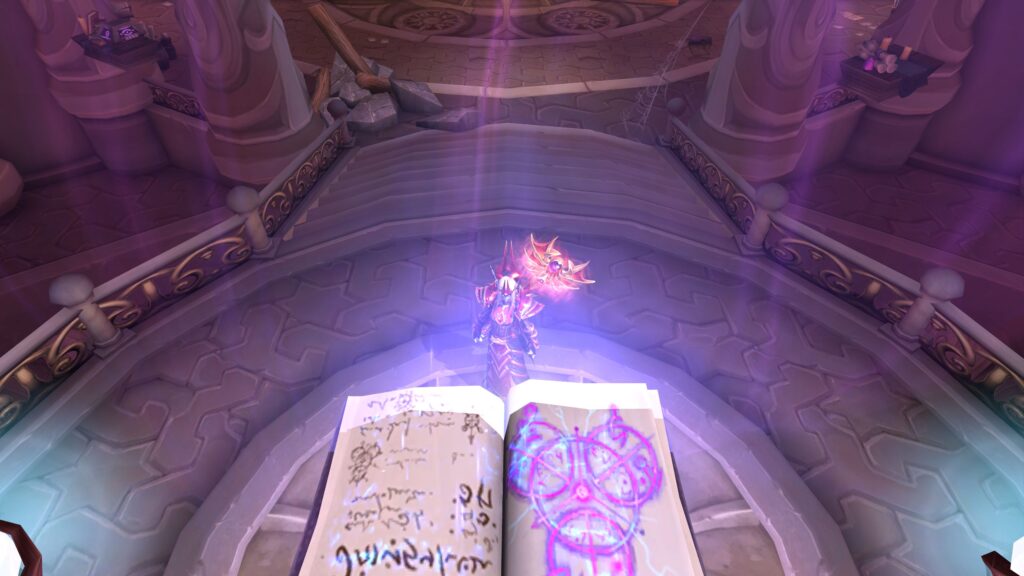
- Example: On Atramedes in Blackwing Descent, players must avoid sound-based mechanics. Understanding how sound levels work is crucial to avoiding a wipe.
- Study Priorities:
- Movement requirements: When to stack, spread, or reposition.
- Interrupt timing for critical abilities.
- Add management during multi-phase fights.
Post-Wipe Analysis
Mistakes happen, but failing to learn from them results in repeated wipes. After each pull:
- Review what went wrong: Did players die to avoidable damage? Were interrupts missed? Did healers run out of mana?
- Assign accountability: Players should take responsibility for their mistakes and work to improve.
- Adjust strategies: If something isn’t working, adapt. Try different positioning, cooldown rotations, or kill orders.
Class Balance and Raid Composition
Cataclysm Classic raids are balanced around groups having access to essential buffs, debuffs, and utility. A poor raid composition can severely limit success, no matter how skilled individual players are.
Bringing Essential Buffs
Ensure your raid has coverage of all critical raid buffs and debuffs, such as:
- Spellpower Buffs: Provided by Mages and Warlocks.
- Attack Power Buffs: Provided by Warriors or Death Knights.
- Haste Buffs: From Shamans (Bloodlust/Heroism) or Druids.
Missing these buffs can significantly reduce the group’s damage and healing output, leading to missed DPS checks or healers running out of mana.
Utility Roles
Some fights require specific utility, like stuns, slows, or AoE crowd control. Ensure your group has classes capable of handling these mechanics.
Cooldown Management and Resource Optimization
Effective use of cooldowns is often the difference between a wipe and a kill.
Coordinating Raid-Wide Cooldowns
Tanks, healers, and DPS players all bring unique cooldowns that can mitigate damage, stabilize the group, or maximize burst windows. Examples include:
- Healer CDs: Spirit Link Totem (Shaman), Tranquility (Druid), Divine Hymn (Priest).
- Tank CDs: Shield Wall (Warrior), Barkskin (Druid), Icebound Fortitude (DK).
- DPS CDs: Timing Bloodlust/Heroism for burst phases can drastically shorten dangerous mechanics.
Resource Management
Managing mana, cooldowns, and other resources ensures longevity in fights. Players should:
- Avoid overusing cooldowns too early, saving them for critical phases.
- Healers should conserve mana during low-damage periods to prepare for intensive AoE phases.
- Tanks should rotate defensive abilities to avoid running out during critical moments.
Mental Fortitude: Staying Focused During Progression
Progression raiding can be mentally exhausting, especially after consecutive wipes. Maintaining morale is essential to keep the group motivated and focused.
Encourage Positivity
Raid leaders should foster an environment where players feel encouraged to improve rather than punished for mistakes. Constructive criticism, patience, and recognizing individual improvements help sustain morale.
Take Breaks
If a group is repeatedly wiping, sometimes the best solution is a quick break. Stepping away for 5-10 minutes allows players to reset mentally, preventing frustration from escalating.
The Long-Term Benefits of Minimizing Wipes
Reducing wipes in Cataclysm Classic isn’t just about immediate progression; it sets the foundation for long-term raid success. A team that consistently minimizes mistakes will build better habits, foster greater cohesion, and ultimately progress through content faster.
1. Strengthening Teamwork
The fewer wipes your raid team experiences, the more players trust each other to execute mechanics properly. This trust is vital in high-pressure scenarios where split-second decisions determine success. Teams that consistently work together and learn from their mistakes build a rhythm that makes even the most challenging bosses manageable.
For example:
- A group that nails tank swaps on fights like Halfus Wyrmbreaker will approach similar mechanics in later raids with confidence.
- Healers who coordinate cooldown usage on AoE-heavy fights like Chimaeron will find it easier to adapt to similarly stressful situations in future tiers.
2. Saving Time and Resources
Fewer wipes mean less time spent recovering, running back to bosses, or repairing gear. Over time, this adds up to significant time savings, allowing teams to spend more time practicing mechanics and defeating bosses rather than regrouping after failed attempts.
Additionally, consumables such as flasks, food buffs, and potions are costly and limited. Each wipe requires players to rebuff, adding to their expenses. By reducing the number of wipes, teams minimize the financial burden of raiding, ensuring they can maintain progression without draining their resources.
3. Improving Individual Performance
Frequent wipes can discourage individual players, leading to demoralization and potentially impacting their performance. By keeping wipes to a minimum, teams create a more positive environment where players feel motivated to perform at their best.
Over time, players who consistently practice proper positioning, resource management, and cooldown usage develop muscle memory, allowing them to execute mechanics instinctively. This individual growth benefits the entire raid team, as each member’s improvement contributes to smoother encounters.
Preparing for Future Raids
The lessons learned from minimizing wipes in early Cataclysm Classic raids will carry forward into later raid tiers, such as Firelands and Dragon Soul. By mastering fundamentals early, teams set themselves up for success when the stakes are higher.
Firelands: A Raid That Punishes Mistakes
Firelands, the second major raid tier of Cataclysm, introduces mechanics that heavily punish players who fail to adapt quickly. Fights like Ragnaros demand near-perfect execution, with strict positioning requirements, add management, and high incoming damage.
Raid teams that struggled with early fights like Magmaw or Ascendant Council in Tier 11 may find Firelands overwhelming if they don’t address their weaknesses. By focusing on minimizing wipes in early content, players build the habits needed to tackle Firelands with confidence.
Dragon Soul: The Final Test
As the final raid tier of Cataclysm, Dragon Soul is designed to test everything players have learned throughout the expansion. Encounters like Spine of Deathwing and Madness of Deathwing feature multi-phase mechanics that require flawless execution, tight coordination, and effective cooldown usage.
Teams that struggled with mechanics in earlier raids are unlikely to succeed in Dragon Soul without significant improvement. By focusing on minimizing wipes and fostering a culture of continuous learning, raid groups can approach Dragon Soul with the skills and mindset needed to overcome its challenges.
The Role of Leadership in Preventing Wipes
A strong raid leader is essential for minimizing wipes and keeping a team focused on progression. Leadership goes beyond calling out mechanics—it involves setting the tone for the raid, identifying areas for improvement, and motivating the team to keep pushing forward.
1. Clear and Calm Communication
Raid leaders must remain calm and collected, even during frustrating moments. Clear communication ensures that players understand what went wrong and how to correct it without feeling demoralized. For example:
- After a wipe, the raid leader can quickly review what caused the failure (e.g., missed interrupts, poor positioning) and provide actionable feedback.
- During a fight, timely callouts (e.g., “Spread now,” “Prepare for adds,” “Cooldowns in 5 seconds”) keep the team focused and reactive.
2. Setting Realistic Expectations
Not every team will achieve a perfect pull on the first attempt, and that’s okay. Raid leaders should set realistic goals for progression, breaking fights into manageable steps.
For instance:
- On a multi-phase fight, focus on mastering the first phase before worrying about subsequent mechanics.
- Celebrate small victories, such as surviving a mechanic that previously caused wipes, to keep morale high.
3. Encouraging Accountability
A strong raid leader fosters a culture of accountability, where players take responsibility for their mistakes and actively work to improve. This doesn’t mean singling out players or assigning blame but encouraging self-reflection and growth.
For example:
- A healer who struggles with mana management might be encouraged to review logs or adjust their spell usage.
- A DPS player who frequently dies to avoidable mechanics could be given tips on positioning or movement.
Adapting to Unpredictable Situations
Even the best-prepared teams will face unexpected challenges during raids. Whether it’s a healer disconnecting mid-fight or a DPS player misstepping into an AoE, adaptability is key to recovering from mistakes and preventing wipes.
1. Backup Strategies
Raid leaders should always have contingency plans in place for common issues. For example:
- Assign backup interrupters in case the primary player is stunned or killed.
- Have secondary tanks ready to pick up adds if the main tank goes down.
- Ensure healers can flexibly shift their focus in response to sudden spikes in damage.
2. Rotating Responsibilities
To avoid burnout and ensure that everyone is prepared for critical tasks, raid leaders can rotate responsibilities between players. For instance:
- Interrupts can be assigned to different players on alternating pulls.
- Add control duties can be shared between multiple classes to prevent fatigue.
This approach not only minimizes the impact of individual mistakes but also ensures that the entire team is familiar with key mechanics.
The Psychological Aspect of Raid Wipe Prevention
Raiding is as much a mental challenge as it is a mechanical one. Maintaining a positive mindset is crucial for minimizing wipes and keeping the team motivated during progression.
1. Encouraging a Growth Mindset
Mistakes are inevitable during progression, but they should be viewed as opportunities to learn rather than failures. By fostering a growth mindset, raid teams can approach each pull with the goal of improving rather than simply avoiding wipes.
2. Avoiding Blame Culture
Pointing fingers or assigning blame after wipes only creates tension and discourages players from taking risks or experimenting with new strategies. Instead, focus on constructive feedback and group-wide improvement.
3. Taking Breaks
When wipes start piling up, frustration can set in, leading to poor decision-making and diminished performance. Scheduling short breaks allows players to reset mentally and return to the fight with renewed focus.
Conclusion: Mastering the Art of Raid Survival
Minimizing wipes in WoW Cataclysm Classic is about more than just executing mechanics perfectly—it’s about fostering teamwork, preparation, and adaptability. By addressing common causes of wipes, building strong leadership, and maintaining a positive mindset, raid teams can overcome even the most challenging encounters.
Key Strategies Recap:
- Prepare thoroughly with consumables, optimized gear, and encounter knowledge.
- Communicate effectively and assign clear roles for mechanics, cooldowns, and positioning.
- Build a balanced raid composition that covers essential buffs and utility.
- Adapt to unexpected challenges and foster a culture of accountability and growth.
With these strategies, your raid team will not only minimize wipes but also build the foundation for long-term success in Cataclysm Classic and beyond. Good luck, and may your pulls be clean and your loot plentiful!
Leave a Reply