

With The War Within, the haunting figure of Xal’atath resurfaces—not simply as a relic or footnote, but as a central architect of the story’s Void menace. Far from being a passive weapon, Xal’atath embodies the subtle and insidious nature of the Void, reshaping how Warcraft presents that cosmic threat. Her return forces players and storytellers alike to rethink the scope, stakes and mechanics of Void corruption within Azeroth.
This article explores Xal’atath’s lore resurgence, her narrative role in The War Within, the larger implications for the Void in the Worldsoul Saga, and what players should watch for as this threat evolves.

Xal’atath’s Origins: More Than a Knife
Xal’atath first appeared in earlier expansions, bound to a dagger and used as a tool of shadow priests and class halls. But Warcraft lore reveals something far more ancient: she is the Harbinger of the Void, once serving the Void Lord Dimensius and functioning as a manipulator, deceiver and adversary of the Old Gods. :contentReference[oaicite:2]{index=2}
Her character arc has always hovered between artifact and entity, between wielder and wielder’s master. In The War Within, her emergence from the relic no longer feels like an aside—it’s a statement: the Void threat isn’t simply creeping anymore—it is returning with purpose, design and agenda. This shift elevates Xal’atath from a familiar accessory into a narrative lynchpin.
Her Role in The War Within: Catalyst & Architect
The War Within’s main campaign introduces the subterranean continent of Khaz Algar, where ancient threats stir. In the expansion’s lore, the city of Dalaran faces devastation at Xal’atath’s hands, hinting at her return with full agency. :contentReference[oaicite:3]{index=3}
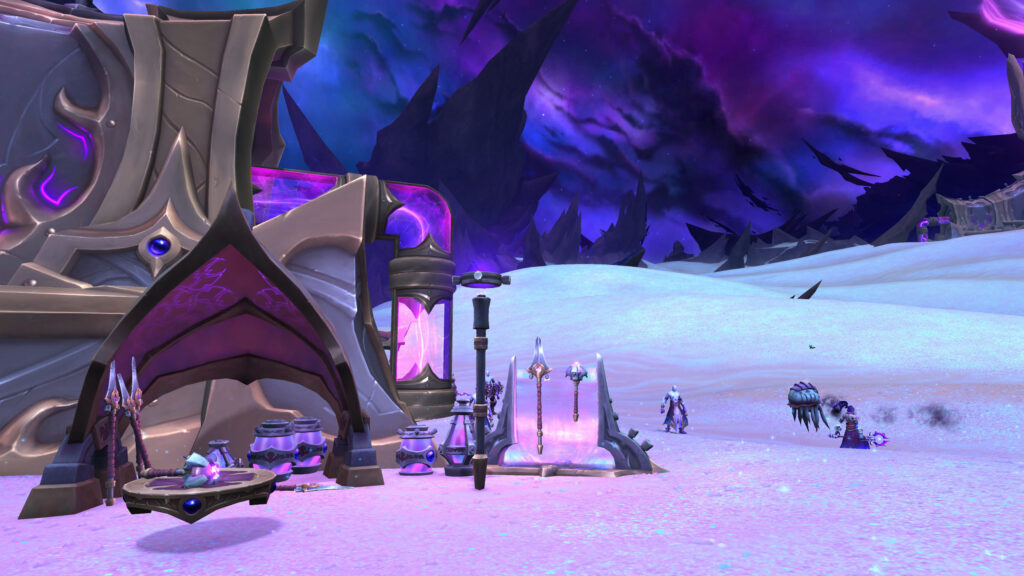
She doesn’t merely appear—she orchestrates. Xal’atath manipulates factions, corrupts machines, inspires cults, and challenges the player to react rather than simply to respond. In effect, she rewrites how the Void interacts with the world: it is no longer hidden whispers but strategic strikes. This elevates the gameplay stakes and transforms void threats from ambient menace into active war-machines.
How This Redefines the Void Threat Mechanic
Historically, the Void in Warcraft has been portrayed as creeping corruption, whispered influence, and indirect destabilisation. With Xal’atath’s return, the paradigm shifts to direct confrontation, layered corruption, and systemic sabotage. Her presence signals that the Void isn’t just a backdrop—it’s a frontline faction with industrial capacity.
For you as a player this means engaging the Void demands different strategies: you’ll face infiltrated systems (machines, structures, civilizations) rather than only monsters. The narrative and mechanics merge: whether you’re exploring an infiltration, purifying a corrupted nexus, or battling a cult, you’ll sense the Void’s breadth. Xal’atath personifies that shift—her return reframes the threat as something you *enter*, *undermine*, and *stop*, rather than simply endure.
The Broader Narrative Implications for the Worldsoul Saga
The War Within is the first chapter of the Worldsoul Saga, and positioning Xal’atath as a major antagonist early sends a message: the Void will be a central axis of conflict across multiple expansions. This isn’t a side-story. It ties into the lore of the Worldsoul, hidden races like the Earthen, and the subterranean domains of Azeroth. :contentReference[oaicite:4]{index=4}
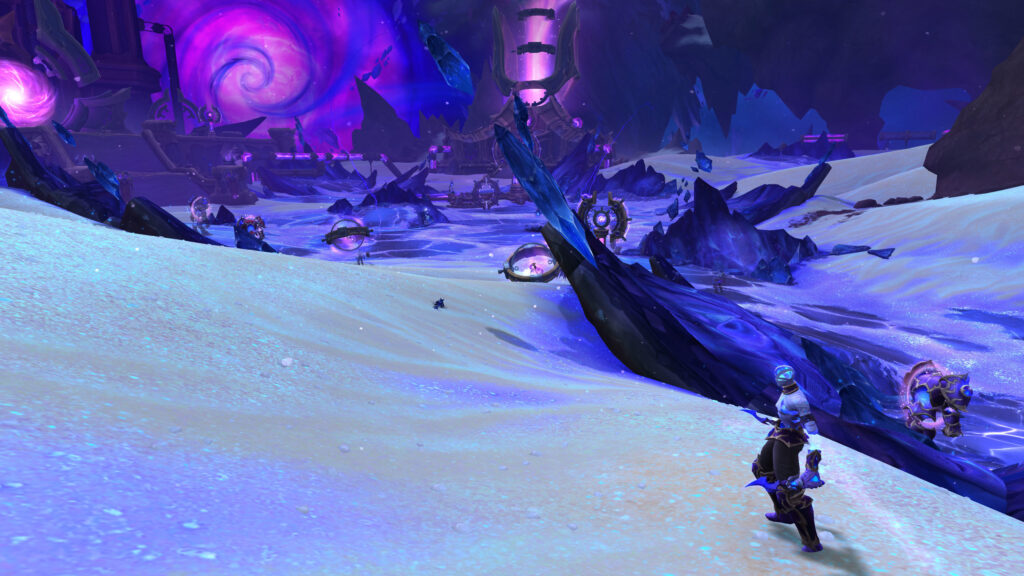
From a player-perspective, recognise that the return of Xal’atath is both victory and warning: defeating immediate threats is important, but the narrative now demands you think long-term. The structures she’s embedding, the corruption she seeds, will persist beyond this expansion. If you only play the “beat the boss” moment, you may miss the scaffolding she’s building for future crises.
What Players Should Watch For
Here are some key areas to monitor as Xal’atath’s arc unfolds:
- **Corrupted Zones & Machines:** Areas in Khaz Algar tied to Void-machinery or earthen structures may be tainted and revisited later.
- **Cult Organisations:** Factions allied with Xal’atath may re-emerge, offering side-quests or hidden story layers.
- **Artifact Echoes:** Since Xal’atath has historical ties to artifacts and the Old Gods, search for narrative clues in relics, runes, and machine nodes.
- **Escalating Threats:** As the expansion phases progress, expect the Void’s actions (thanks to Xal’atath) to shift from infiltration to open warfare, re-activating previous zones or introducing new ones.
By treating Xal’atath not just as a boss but as a system architect of the Void threat, you’ll gain deeper insight into story threads, exploratory cues, and meta-objectives that may otherwise feel disconnected.
Conclusion
In The War Within, Xal’atath’s return isn’t a callback—it’s a redesign. She takes a known threat (the Void), gives it agency, infrastructure and strategy. The villain changes how the story is told and how gameplay responds. The consequences ripple across zones, mechanics and your long-term goals.
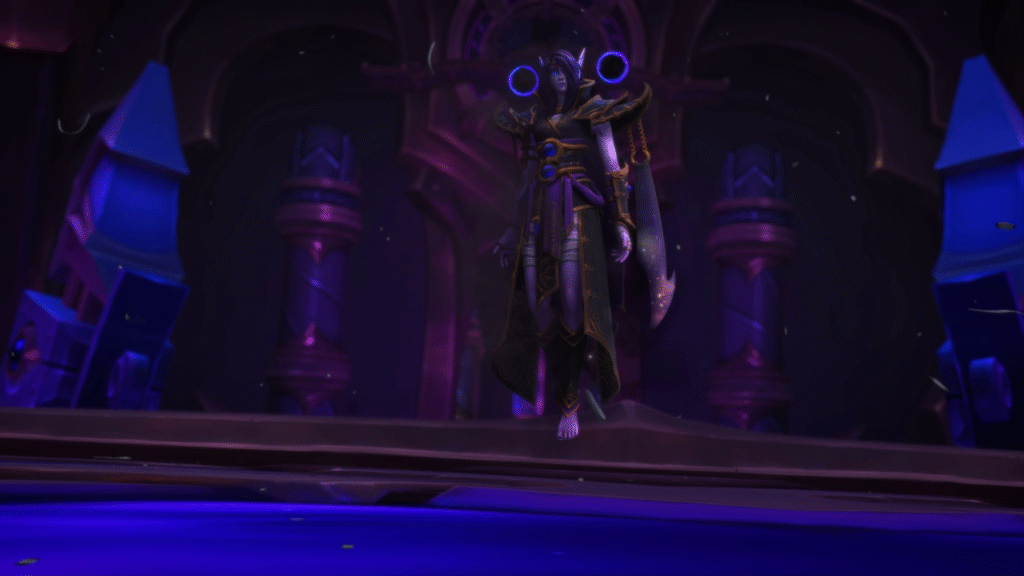
Whether or not you were familiar with her previous appearances, treat Xal’atath as more than a name—you’re facing a turning point in Warcraft’s cosmic war. The Void has a new face, new tools, and you’ll need to engage it on a new level.
Leave a Reply