
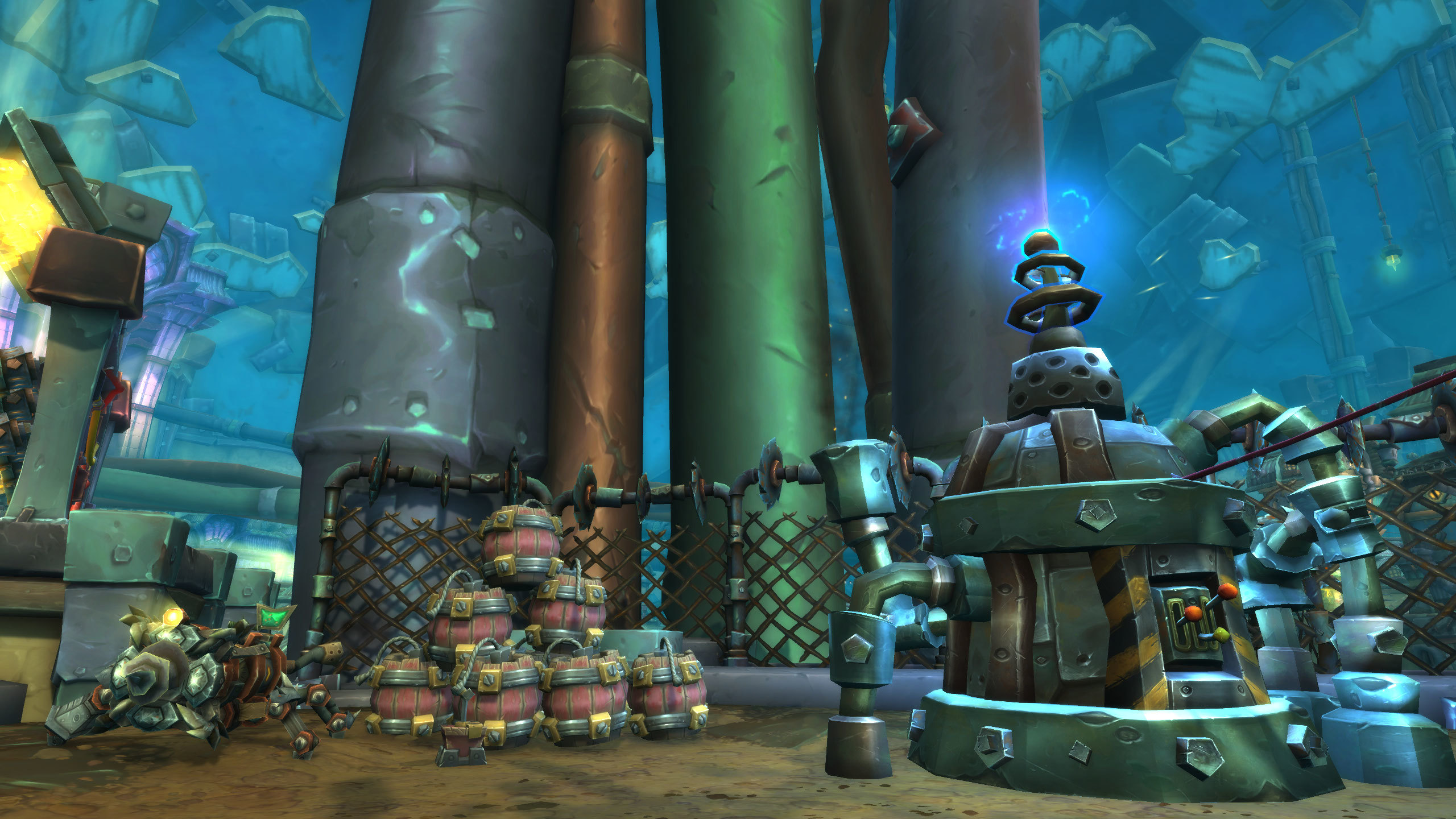
Modern profession systems are designed to reward long-term commitment rather than short-term optimization. Progression unfolds over the course of an entire expansion, favoring players who invest consistently.
This structure transforms professions into parallel progression paths. Commitment builds value gradually, creating meaningful differentiation between casual and dedicated crafters.
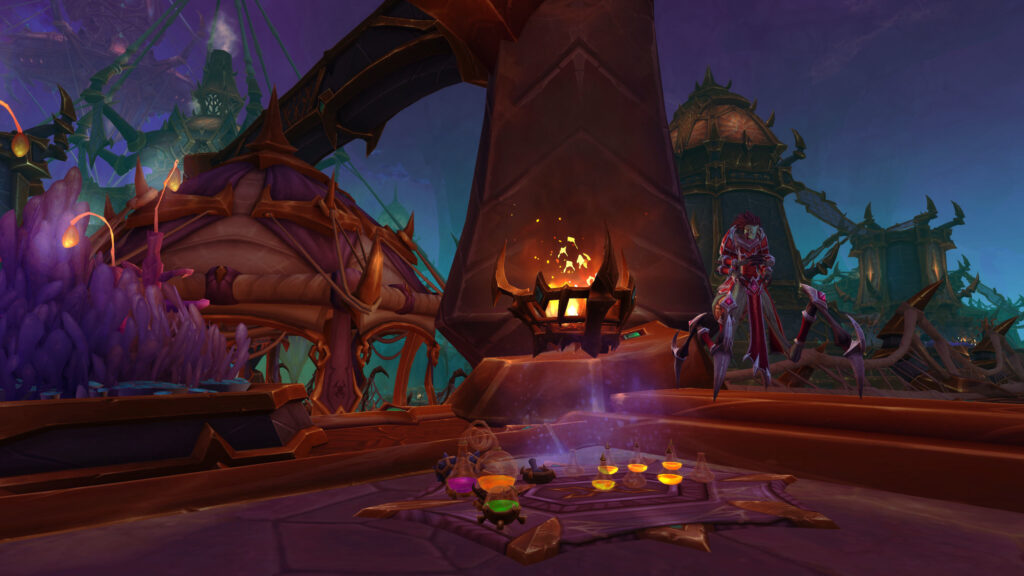
Long-Term Progression Unlocks Deeper Value
Profession depth often increases over time through knowledge, specialization, and unlocks. Early investment sets the foundation for later advantages.
Players who commit early gain access to efficiencies and opportunities unavailable to those who treat professions casually.
Commitment Creates Identity and Reputation
Dedicated crafters become known within their communities. Reliability and specialization establish trust over months, not days.
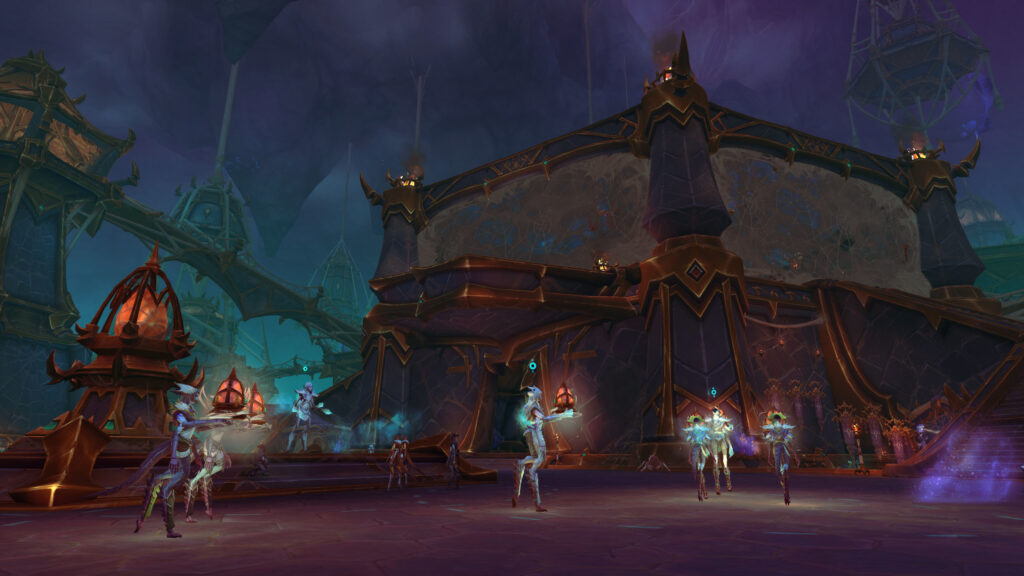
This reputation translates into consistent demand, insulating committed players from short-term market swings.
Expansion-Long Investment Reduces Market Volatility
Players who progress steadily avoid the pressure of chasing patch-driven trends. Their value comes from depth rather than timing alone.
This stability allows for predictable income and planning instead of reactive selling.
| Investment Style | Progression Outcome | Economic Effect |
|---|---|---|
| Early commitment | Specialization depth | Stable demand |
| Long-term planning | Efficiency gains | Consistent income |
| Reactive crafting | Shallow progress | Volatile returns |
| Expansion-wide focus | Full system mastery | Lasting value |
Commitment Aligns With Expansion Lifecycles

This alignment rewards patience and discourages burnout, keeping professions relevant from launch to final patch.
Conclusion
Profession systems reward commitment across entire expansions by tying value to sustained investment.
Players who engage consistently gain depth, stability, and long-term relevance that short-term approaches cannot match.
Leave a Reply